
AGRONOMISTS AND VETERINARIANS IN GAKENKE DISTRICT WELCOMED THE ADVANCED CLIMATE INFORMATION TRAINING, SAYING IT IMPROVED THEIR DECISIONS, PRODUCTIVITY, AND CLIMATE RESILIENCE.
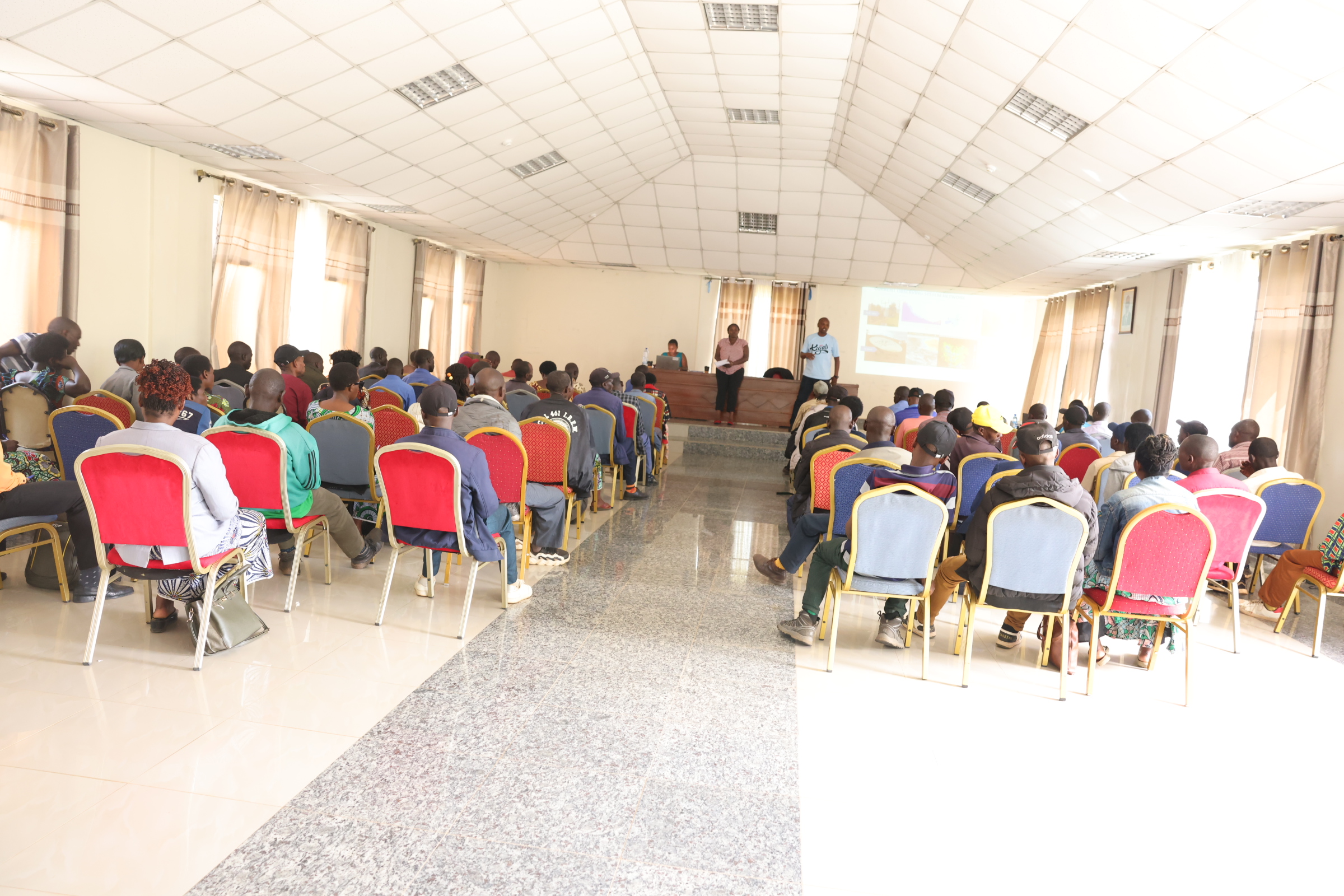
This was demonstrated during the ten days Awareness Raising Strategy on increasing the quantity, quality, relevance, and accessibility of climate data for decision-making and the implementation of Participatory Integrated Climate Services for Agriculture (PICSA), held in Gakenke District from 10th to 21st November 2025, which brought together district Authorities, Social Affairs Officers and DASSO, Sector Agronomists and Veterinarians, Forest Extensionists, Land Managers, Farmers’ Cooperatives and Lead Farmers.
This training organized by METEO RWANDA in collaboration with REMA under LDCF-III project aimed to raise awareness on the importance of climate data in supporting agricultural planning, risk reduction, and climate-resilient development, to strengthen the understanding and use of the PICSA approach among district stakeholders, to enhance data sharing, coordination, and communication between METEO RWANDA, District agricultural officers, Local leaders, Farmers’ Cooperatives, Lead Farmers, and local communities, and locally relevant climate information into district development and agricultural planning and to build sustainable partnerships for continued dissemination and use of climate services at the grassroots level.
Animal veterinarians and agronomists participated in the training on the third and fourth days, confirming the benefits it will bring to their sectors as well as to their daily lives. “Yes, we usually have agricultural knowledge, but we lack the skills to apply climate information and services in this sector effectively. Without these skills, agricultural activities can fail due to climate-related disasters. We also recognize that it is impossible to mitigate the impacts of climate change without understanding how to effectively utilize climate information.
This training has been highly valuable for us gaining a deeper understanding of our local climate is crucial for informed decision-making and effective planning of agricultural activities. It has also strengthened our capacity to improve the agriculture sector through the practical use of climate services. As representatives of local farmers, we are committed to building their skills in using climate information so that, together, we can enhance resilience to climate change.” ABIZEYE Vedaste, Agronomist, Rushashi Sector
MUKAMUNANA Solange, Animal Veterinarian, Nemba Sector, confirmed, “I now have a much clearer understanding of how to apply climate information, such as weather forecasts, to help prevent and manage animal epidemic diseases, many of which are influenced by climate change. I gained a great deal from this training. The skills I acquired, especially in interpreting and using weather forecasts effectively, will significantly enhance my decision-making and planning, enabling me to promote healthy and disease-free animal resources.”
Dr. KAZORA Jonah, METEO RWANDA Forecasting Officer, emphasized to the participating agronomists and veterinarians that this training is a valuable opportunity, especially for those working in the agricultural sector, due to their strong connection with the climate. He encouraged them to apply climate services, including weather forecasts and climate data, in their daily activities, as these tools are essential for building resilience to climate change. Additionally, he reminded them to serve as ambassadors of METEO RWANDA to the communities they represent by ensuring citizens receive timely weather forecasts and guidance on how to use this information effectively.
This Awareness Raising Strategy on the effective use of climate information for agricultural decision-making and resilience building is being implemented not only in Gakenke District but also in other highly climate-vulnerable districts across the country. More than 300 stakeholders from various sectors completed the training sessions, marking a strong and encouraging conclusion to this important capacity-building initiative.